Lamu Ocean Expedition Package
KES 71,500
Save KES 7,000
Home / Activities / Speedboat Kinyika Reef Snorkeling
Kinyika Reef Day Trip
Book now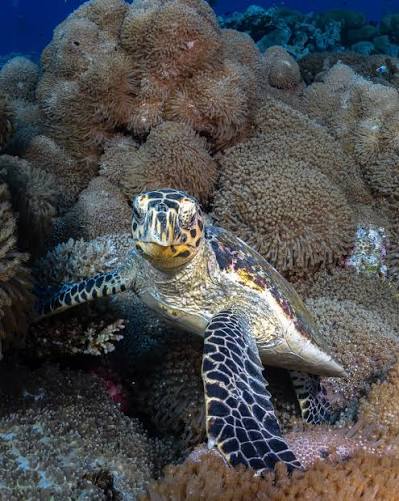
KES 39,500
1-4 Pax Offshore Charter + Gear Rental
Extra person: KES 3,000
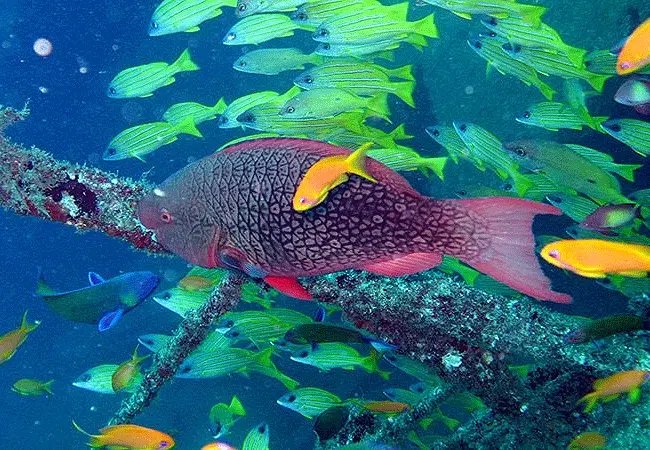
Kinyika Reef sits in the outer waters of the Lamu Archipelago, far enough from the main island to remain one of Kenya's least-visited reef systems. The water is clear, the coral is intact, and the marine life density reflects a reef that has had space to recover and thrive. For snorkelers visiting Lamu who want to spend maximum time on the reef rather than on a slow dhow journey, the Kinyika Reef Speedboat Day Trip is the strongest option in the archipelago.
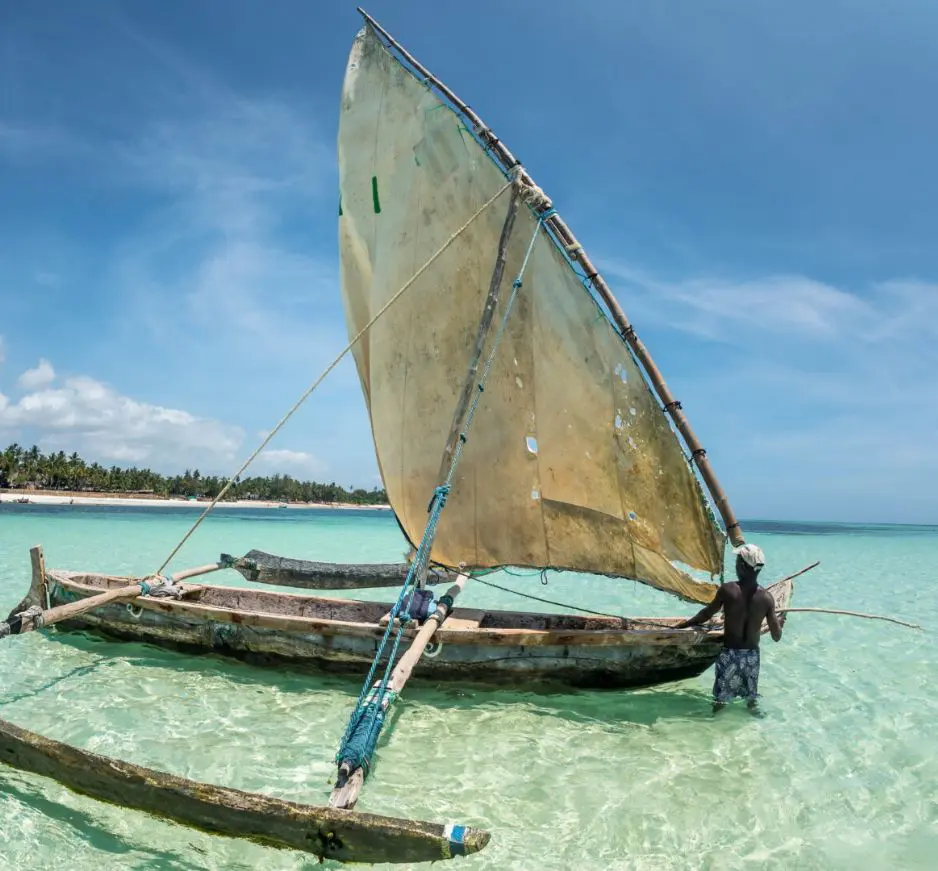
Unlike the Manda Toto Dhow Trip which combines reef snorkeling with a full sailing day, this trip is built around the reef itself. The speedboat gets you there faster, which means more time in the water.
Price: KES 39,500 1- 3 people Duration: Half to full day depending on conditions and group Departure: Lamu Town waterfront, morning departure Transport: Speedboat - faster than dhow, higher reef time.
Kinyika is a fringing coral reef system in the outer Lamu Archipelago. Its distance from the main island and limited visitor numbers have allowed the reef to remain in significantly better condition than many comparable sites along the Kenyan coast.
Marine life commonly encountered:
The reef's topography varies — shallow coral gardens for beginner snorkelers, steeper walls and deeper sections for experienced swimmers who want to push further. Your guide reads conditions on arrival and selects the best entry points for the group.
This is the most common question from travelers choosing between the two experiences:
|
Kinyika Reef (ACT-015) |
Manda Toto Dhow Trip (ACT-014) |
|
|
Transport |
Speedboat |
Traditional dhow |
|
Journey time to reef |
30–45 minutes |
~1 hour |
|
Focus |
Reef snorkeling |
Snorkeling + island day + beach lunch |
|
Time on reef |
More — faster transit |
Less — full day experience |
|
Pace |
Active, reef-focused |
Slow, immersive, all-day |
|
Lunch |
Light refreshments |
Full beach lunch included |
|
Best for |
Serious snorkelers, reef enthusiasts |
Travelers wanting the complete archipelago day |
|
Price |
KES 39,500 |
KES 36,500 |
Choose Kinyika Reef if snorkeling is your main priority and you want to maximize time on a high-quality reef with faster access. Choose Manda Toto if you want the full traditional dhow sailing experience alongside snorkeling and a beach lunch on an uninhabited island.
Both trips can be done on separate days — and for serious marine enthusiasts, doing both gives you a genuinely comprehensive picture of what the Lamu Archipelago's underwater environment offers.
|
Time |
Experience |
|
Early morning |
Depart Lamu Town waterfront by speedboat |
|
En route |
Fast crossing through the outer archipelago waters |
|
Morning |
Arrive Kinyika Reef — first snorkeling session |
|
Midday |
Surface break, refreshments on board |
|
Early afternoon |
Second snorkeling session — different section of reef |
|
Mid-afternoon |
Depart Kinyika, return to Lamu by speedboat |
|
Afternoon |
Return to Lamu Town waterfront |
The guide structures the session to cover multiple sections of the reef across two water entries — maximizing variety and marine life encounters across different depths and habitats.
|
Season |
Visibility |
Marine Life |
Notes |
|
Dec – Mar (Kaskazi) |
Excellent |
High — turtle & manta season |
Best overall conditions |
|
Jun – Sep (Kusi) |
Good |
High fish density |
Stronger surface winds, good reef clarity |
|
Apr – May |
Variable |
Lower visibility |
Long rains reduce clarity |
|
Oct – Nov |
Good |
Transitional — manta possible |
Good shoulder season conditions |
December through March is the best time for Kinyika Reef snorkeling — calm seas, excellent visibility, and peak manta ray season. June through September remains strong for reef fish density despite slightly rougher surface conditions on the crossing.
Kinyika Reef is the flagship snorkeling experience in the Lamu Archipelago, but other marine experiences complement it well:
|
Experience |
Highlights |
Price |
|
Reef snorkeling + beach lunch + dhow sailing |
KES 36,500 |
|
|
Mangrove channel swimming — different ecosystem |
KES 5,200 |
|
|
Fishing in mangrove waterways |
KES 18,500 |
|
|
Open ocean game fishing |
KES 39,000 |
For travelers combining multiple ocean experiences, the Lamu Marine Angler & Reef Pass at KES 72,000 (saving KES 6,500) and the Lamu Ocean Expedition Package at KES 71,500 (saving KES 7,000) bundle the best ocean activities at meaningful savings.
Kinyika Reef is located in the outer waters of the Lamu Archipelago, accessible by speedboat from Lamu Town. It is a fringing coral reef system in the Indian Ocean off the northern Kenya coast.
Approximately 30–45 minutes by speedboat from Lamu Town waterfront, depending on sea conditions.
The reef has accessible shallow sections in 2–4 metres of water suitable for confident beginners. Open water swimming ability is required - this is a reef trip, not a sheltered beach experience. Your guide adapts the session to the group's ability level.
Kinyika Reef is consistently the best reef snorkeling in the Lamu Archipelago for marine life diversity and coral quality. The Manda Toto reef is also excellent and worth visiting if your schedule allows.
Manta ray sightings occur seasonally, most commonly between November and February when plankton blooms attract them to the outer archipelago waters. Sightings are not guaranteed but the Kinyika area is one of the more reliable spots in the region during this window.
Kinyika Reef uses a speedboat and focuses on maximizing reef snorkeling time. Manda Toto uses a traditional dhow, combines snorkeling with a beach lunch on an uninhabited island, and is a slower, full-day experience. Both are excellent — the right choice depends on whether you prioritize reef time or the complete archipelago day out.
Yes - standard chemical sunscreens damage coral reefs. Reef-safe mineral sunscreen is strongly recommended and appreciated at Kinyika.
The Lamu Archipelago's outer reefs are some of the most intact marine environments on the East African coast. Kinyika Reef gives you direct access to that — unhurried, well-guided, and genuinely worth the trip.
Book directly through the site, or explore the for bundled ocean experiences at discounted rates.